For most specialised children's therapy, Nashik families are used to the same routine: book a day off, drive two hours to Pune or close to four to Mumbai, sit in traffic both ways, and come home with one session to show for the whole day. It works, but it is not sustainable week after week, which is why many parents never start regular therapy at all.
The Mumbai-Pune Commute Most Nashik Families Already Know
Nashik has solid general pediatric and hospital care, but dedicated, assessment-led occupational therapy for children is concentrated in Mumbai and Pune. A single consultation there is workable; a weekly therapy commitment on that route usually is not, especially once school pickups and work schedules are factored in. Even families who manage the trip occasionally for a one-off opinion often find that sustaining it week after week simply is not realistic alongside work and school commitments.
Newer Nashik Households, Fewer Built-In Support Systems
A lot of Nashik's growth has come from newer gated communities and industrial-area housing with nuclear families who relocated for work, often without parents or in-laws nearby to help with school runs or childcare around a long clinic trip. Online sessions remove that logistics problem entirely - there is no drive to plan around in the first place. Many of these families moved to Nashik specifically for work opportunities, which means the usual support of grandparents or extended family nearby is often missing exactly when a long clinic trip would need it most.
One Therapist, Not a Different Name Each Visit
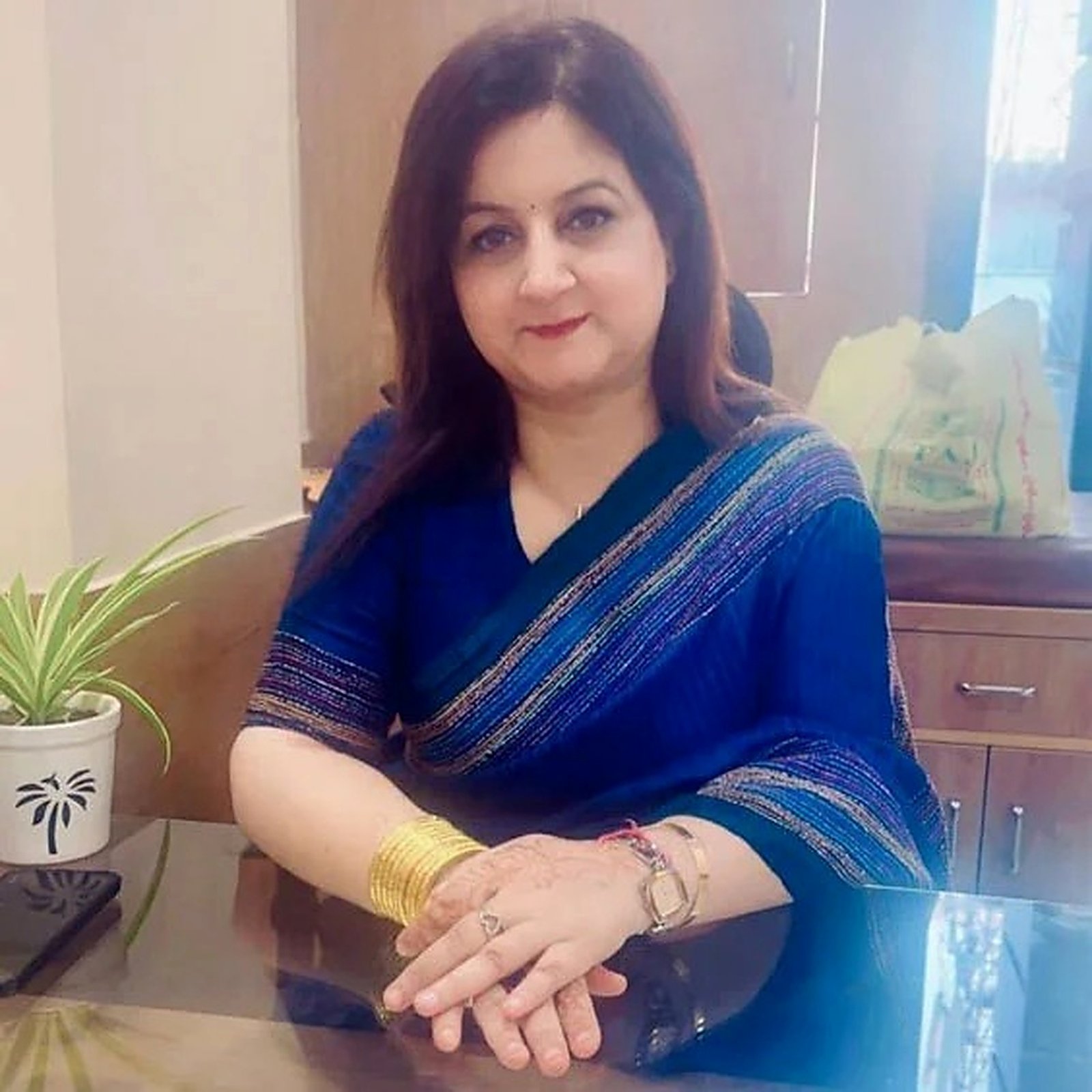
occupationaltherapyinindia.com is Dr. Charu Arora's own practice, with three clinics in East Delhi and online consultations she holds personally rather than routing families through whichever therapist is free. For Nashik, the East Delhi clinics are a genuine option if a Delhi trip ever comes up, never a requirement to begin. That continuity matters particularly for children who take time to warm up to a new person, since progress can start from where it left off rather than from scratch.
What We Help With
We work with children across autism, ADHD, developmental delay, and children without a formal diagnosis yet, including sensory processing, handwriting and fine motor skills, gross motor coordination, self-care and daily living skills, school readiness, and play and social participation. Each plan is built around your child's specific needs rather than a fixed, one-size-fits-all program.
Getting Started from Nashik
Book through our book consultation page and choose an online consultation. The first session is a genuine assessment led personally by Dr. Charu Arora - see our first assessment page for what it covers - with scheduling and pricing confirmed directly with you before you begin. Many Nashik families find that the absence of a commute alone makes it far easier to stay consistent with weekly sessions.
Frequently Asked Questions
Is there an occupationaltherapyinindia.com clinic in Nashik?
No. We have no clinic in Nashik or anywhere in Maharashtra - our only physical locations are three clinics in East Delhi. Nashik families work with us entirely through online consultation, which is a complete program rather than a temporary substitute.
Is online therapy just a stopgap until we can get to Mumbai or Pune?
Not for our practice - the full assessment, therapy plan and progress review all run over video from the start. Some families do also see someone locally for in-person sessions alongside this; that is a personal choice, not something we consider necessary.
How does scheduling work around school and work timings in Nashik?
Sessions are booked at a fixed day and time that suits your family, and because there is no commute on either end, they fit around school pickup or a lunch break far more easily than a half-day clinic trip would.
What happens in the very first online session?
Dr. Charu Arora asks about your child's daily routines, schooling and the specific difficulty you have noticed, observes some guided activities over video, then explains what she is seeing and what a realistic therapy plan looks like going forward.